How to Cut Flowers After Heavy Garden Rain
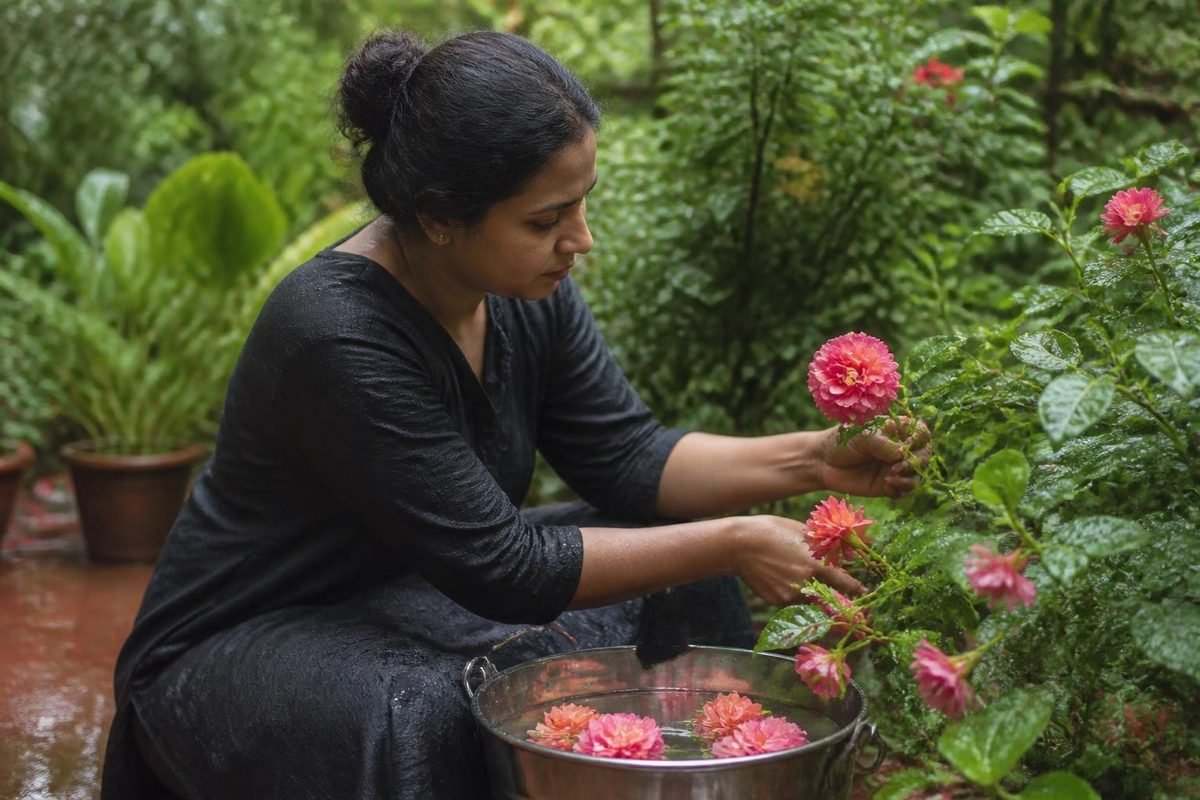
After heavy rain, wait until flowers have had a chance to shed excess water, then cut healthy stems with clean, sharp shears. Handle wet petals gently, remove damaged material, and put the stems in clean water as soon as you bring them inside.
Choose a good time to cut
If you can, let the rain stop and give the garden time to drain. Flowers are easier to inspect when they are not dripping, and you are less likely to bring a bucket full of rainwater and loose debris indoors.
Morning is a useful time to cut, before the sun becomes hot. If the garden is still very wet, there is no need to rush. Wait until later in the day if the flowers need more time to dry.
After a long spell of rain, some blooms may not recover their shape. Look for stems that stand reasonably firm and flowers with petals that are still intact. A bent stem or a few marked outer petals does not always mean you must leave a flower behind.
Pick the best stems
Walk through the garden before you start cutting. Heavy rain can flatten flowers, splash soil onto leaves, and leave petals bruised or browned. Choose clean, healthy blooms where possible, and leave badly damaged or moldy ones out of the vase.
Take a clean bucket of water and sharp shears with you. It also helps to have a clear spot nearby where you can set down the bucket while you work.
- Cut stems long enough for the vase you plan to use.
- Make a clean cut rather than crushing or tearing the stem.
- Lift each flower gently and let excess water drain away.
- Place the cut ends in the bucket as you go.
Do not shake delicate flowers hard to remove water. A light tilt is often enough. If petals are stuck together, let them dry rather than pulling them apart.
Clean and prepare the flowers
Once indoors, sort the stems on a clean surface. Remove leaves that would sit below the waterline in your vase, since submerged foliage can make the water dirty. Trim away broken leaves and any petals that are visibly decaying.
If soil has splashed onto sturdy stems or leaves, rinse it off gently with clean water. Take care around delicate petals. A soft touch matters more than making every flower look perfect.
Wash the vase before filling it with fresh water. Give each stem a fresh cut as you arrange it, then place it in the water promptly. Leave enough room between flowers for their shapes to show without squeezing the wet heads together.
Keep the arrangement fresh
Set the vase somewhere cool, out of direct sun and away from heat sources. Check it each day, remove flowers that are deteriorating, and replace cloudy water with fresh water after cleaning the vase.
Rain may leave a few marks on your flowers, but sound stems and clean water can still make a lovely arrangement. Let the garden dry a little, choose carefully, and enjoy what is ready to bring inside.
Continue with https://tiffest.com/flowers-on-set-and-at-premieres-how-events-use-floral-design/